
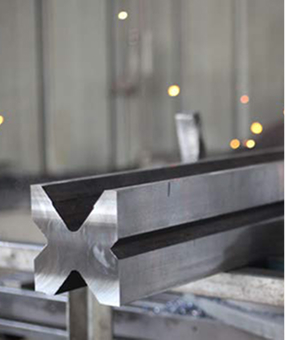
TOOLING & PARTS
Tooling & Parts — Tooling and parts support the accuracy, uptime and repeatability of a fabrication shop. The right press brake tooling setup helps operators form parts more consistently while reducing avoidable setup variation.

Press Brake Tooling
About TOOLING & PARTS
Gator FabTech supports fabrication teams evaluating press brake tooling, punches, dies, holders and bending workflow requirements for new or existing press brake operations.
Press Brake Tooling
Punches, dies and holders should be selected by material thickness, bend radius, tonnage and machine compatibility.
Setup Consistency
A disciplined tooling library can help reduce setup time, part variation and avoidable rework.
Parts Support
Tooling decisions should include availability, replacement planning and service support, not only initial cost.
What Is Tooling & Parts?
Tooling and parts include the machine-side components that make fabrication equipment practical in daily production. For this category, the primary focus is press brake tooling used to bend sheet metal accurately and repeatedly.
Buyers should compare routine materials, capacity requirements, setup time, tooling or consumables, operator workflow, floor space and service support before selecting equipment.
Which Tooling or Parts Support Does Your Shop Need?
| Option | Best Fit | Buyer Priority |
|---|---|---|
| Punches & Dies | Core bending tools used to create the bend angle and inside radius. | Material thickness, V-opening, tonnage and bend geometry. |
| Tool Holders & Clamping | Support tooling changeover and repeatable alignment. | Machine compatibility, setup speed and operator workflow. |
| Replacement & Support Parts | Help keep the bending station productive over time. | Availability, service response and maintenance planning. |
Gator FabTech Tooling & Parts Lineup
| Name | Group | Primary Use | View |
|---|---|---|---|
| Press Brake Tooling | Press Brake Tooling | Punches, dies and tooling configurations for sheet metal bending applications. | View |
What Should Buyers Compare Before Choosing Tooling & Parts?
Machine Compatibility
Confirm that tooling style and clamping requirements match the press brake or equipment being used.
Common Materials
Review material thickness, yield strength and bend radius requirements before selecting tooling.
Replacement Planning
Critical tooling and parts should be planned around lead time, wear and production dependency.
Workflow Fit
Tooling should support how operators actually set up, form, inspect and repeat parts.
Common Applications for Tooling & Parts
- Press brake bending operations requiring punches and dies.
- Fabrication shops standardizing tooling libraries.
- High-mix sheet metal production with frequent changeovers.
- Maintenance planning for bending equipment and tooling support.
How Tooling & Parts Fits Into a Fabrication Workflow
Tooling and parts sit between machine capability and real production quality. A strong machine can still produce inconsistent results if tooling selection, replacement planning or setup control is weak.
For best results, match the equipment or category to the shop’s actual material mix, production volume, operator workflow and support requirements.
Need Help Choosing Tooling & Parts?
Share your machine model, tooling style, material thickness, bend radius, part drawings and production goals. Gator FabTech can help compare tooling and parts options for your workflow.
Tooling & Parts FAQ
What is included in tooling and parts?
This category includes support components such as press brake tooling, punches, dies, holders and related parts used to keep fabrication equipment productive.
Why does press brake tooling matter?
Press brake tooling directly affects bend angle, inside radius, clearance, repeatability and overall part quality.
How should a shop choose tooling?
Start with the machine style, clamping system, material thickness, bend radius, part geometry and production volume.
When should tooling be replaced?
Tooling should be inspected regularly and replaced when wear, damage or inconsistent bend results begin affecting production quality.
What information is needed for a tooling quote?
Useful details include machine model, tooling style, material type, material thickness, required bend radius, part drawings and required tooling length.
Need Help Choosing the Right TOOLING & PARTS?
Our experts are here to help you find the perfect solution for your specific needs.