
WELDING AUTOMATION
Welding automation equipment helps fabrication shops improve part handling, weld access, operator ergonomics and repeatability across manual, semi-automatic and automated welding workflows.
Turn Tables
Lathe Type Circular Welding
Seamers
GANTRY BEAM WELDING MACHINE
Chain Beam Rotators
L-TYPE
3‑Axis Welding Positioner
Self Aligning Rotators
Conventional Rotators
Welding Workpiece Handling Equipment
Column Booms
Robotic Welding Automation

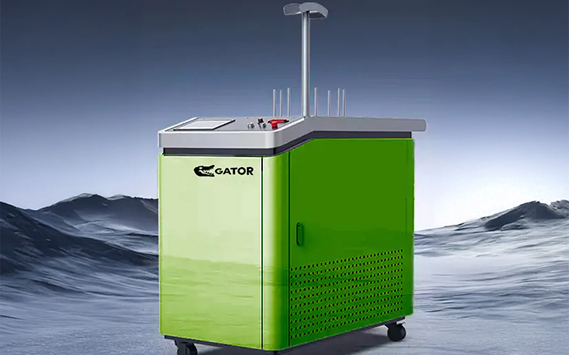
TETRA Handheld Laser Welding Machine
About WELDING AUTOMATION
Gator FabTech offers welding automation solutions including positioners, turn tables, rotators, column booms, seamers, gantry beam welding systems, robotic welding automation and handheld laser welding equipment.
Positioning & Handling
Positioners, turn tables and handling systems help place parts at a better welding angle with less avoidable repositioning.
Rotators & Turning Rolls
Conventional, self-aligning and chain beam rotators support cylindrical, vessel, pipe and beam-related welding workflows.
Robotic & Laser Welding
Robotic welding and laser welding systems can support repeatable production when part volume, fixturing and workflow are suitable.
What Is Welding Automation Equipment?
Welding automation equipment includes the machines and support systems used to position, rotate, move, guide or automate welded parts. In many fabrication shops, welding automation does not start with a robot; it starts with better part positioning, safer handling and more consistent weld access.
The correct system should be selected by part geometry, workpiece weight, weld length, repeatability needs, operator access, fixturing, floor space, production volume and the level of automation required.
Which Welding Automation System Fits Your Workflow?
| Equipment Type | Best Fit | Primary Buyer Priority |
|---|---|---|
| Welding Positioners & Turn Tables | Rotating and tilting parts into a better welding position. | Weld access, ergonomics and repeatable positioning. |
| Rotators & Turning Rolls | Pipe, vessel, cylindrical work and rotating long parts. | Load capacity, rotation control and part support. |
| Column Booms & Seamers | Longitudinal, circumferential and repetitive weld paths. | Torch positioning, travel consistency and process control. |
| Robotic Welding Automation | Repeatable parts, defined fixtures and production welding cells. | Cycle consistency, fixture planning and operator workflow. |
| Laser Welding | Selected welding, cutting and cleaning applications where laser welding is suitable. | Application fit, operator training and material compatibility. |
Gator FabTech Welding Automation Lineup
| Model | Equipment Group | Primary Use | View |
|---|---|---|---|
| Turn Tables | Positioning | Rotating workpieces for improved weld access and operator workflow. | View Product |
| Lathe Type Circular Welding | Circular Welding | Circular weld applications where part rotation and torch positioning are central. | View Product |
| Seamers | Seam Welding | Longitudinal seam welding applications requiring guided weld consistency. | View Product |
| GANTRY BEAM WELDING MACHINE | Gantry Beam Welding | Beam and structural welding workflows requiring guided gantry movement. | View Product |
| Chain Beam Rotators | Beam Rotators | Rotating beam and long workpieces for welding and handling access. | View Product |
| L-TYPE | Positioners | L-type positioning for controlled part orientation in welding workflows. | View Product |
| 3-Axis Welding Positioner | Positioners | Multi-axis positioning for more complex weld access requirements. | View Product |
| Self Aligning Rotators | Rotators | Rotating cylindrical workpieces with self-aligning support for varied diameters. | View Product |
| Conventional Rotators | Rotators | Conventional rotating support for pipe, tank and vessel-related welding work. | View Product |
| Handling | Handling Systems | Material handling support for welding and fabrication processes. | View Product |
| Column Booms | Column & Boom | Torch positioning and weld process support for large or repetitive workpieces. | View Product |
| Robotic Welding Automation | Robotic Welding | Robotic welding cells for repeatable parts and defined production workflows. | View Product |
| TETRA Handheld Laser Welding Machine | Laser Welding | Handheld laser welding, cutting and cleaning applications where suitable. | View Product |
What Should Buyers Compare Before Choosing Welding Automation?
Workpiece Size & Weight
Capacity, center of gravity, part length and rotation stability should be reviewed before selecting a positioner or rotator.
Weld Access
The system should place the weld joint where the operator, torch, robot or process head can work consistently.
Repeatability Needs
High-repeat production may justify robotic welding, seamers, column booms or dedicated fixtures.
Shop Integration
Floor space, loading access, part flow, operator training and service support should be included in the equipment decision.
Common Applications for Welding Automation
- Pipe, tank and vessel welding workflows requiring controlled rotation.
- Beam and structural fabrication where part handling and weld access matter.
- Longitudinal seam welding and repetitive guided weld paths.
- Production welding cells with repeatable part geometry and fixturing.
- Fabrication shops improving operator ergonomics, weld consistency and material flow.
How Welding Automation Fits Into a Complete Fabrication Workflow
Welding automation should be planned around the full production route, not only the weld station. Material cutting, part preparation, fit-up, fixturing, weld access, movement, inspection and finishing all affect the final system choice.
Gator FabTech can help fabrication teams compare welding automation equipment alongside laser cutting machines, saws, press brakes, structural steel machinery, tooling, parts and service support.
Need Help Choosing Welding Automation Equipment?
Share your part size, material type, weld length, workpiece weight, production volume, fixture needs and available floor space. Gator FabTech can help compare welding automation options and guide your next equipment decision.
Welding Automation Equipment FAQ
What is welding automation equipment?
Welding automation equipment includes systems that position, rotate, move, guide or automate welded parts. Examples include welding positioners, turn tables, rotators, column booms, seamers, robotic welding cells and laser welding systems.
Which welding automation system should a fabrication shop choose first?
The best starting point depends on the current bottleneck. Many shops begin with positioning, rotation or handling equipment before moving into robotic welding, because better part access often improves the entire weld workflow.
What is the difference between a welding positioner and a welding rotator?
A welding positioner is generally used to tilt, rotate or hold a part at a better weld angle. A welding rotator or turning roll is commonly used to rotate cylindrical workpieces such as pipe, tanks or vessels during welding.
When does robotic welding automation make sense?
Robotic welding automation is usually a stronger fit when the shop has repeatable parts, suitable fixtures, defined weld paths and enough production volume to justify cell planning, training and integration.
What information is needed to request a welding automation quote?
Useful quote details include part drawings, material type, workpiece weight, weld length, part dimensions, production volume, fixture requirements, floor space and the current welding bottleneck.
Need Help Choosing the Right WELDING AUTOMATION?
Our experts are here to help you find the perfect solution for your specific needs.