
An angle-line RFQ should include representative drawings, angle range, hole matrix, marking requirements, cut lengths, stock lengths, production mix and material-flow expectations. Layout, data and material handling are part of the equipment decision. This guide uses the published Gator FabTech equipment structure and avoids assuming capacities or outcomes that are not shown on the relevant product pages.
Start with CNC angle lines, GAL CNC Angle Lines, Structural Steel machinery. Final configuration should be confirmed against current drawings, material, production targets, utilities, safety requirements and installation conditions.
Planning Checklist
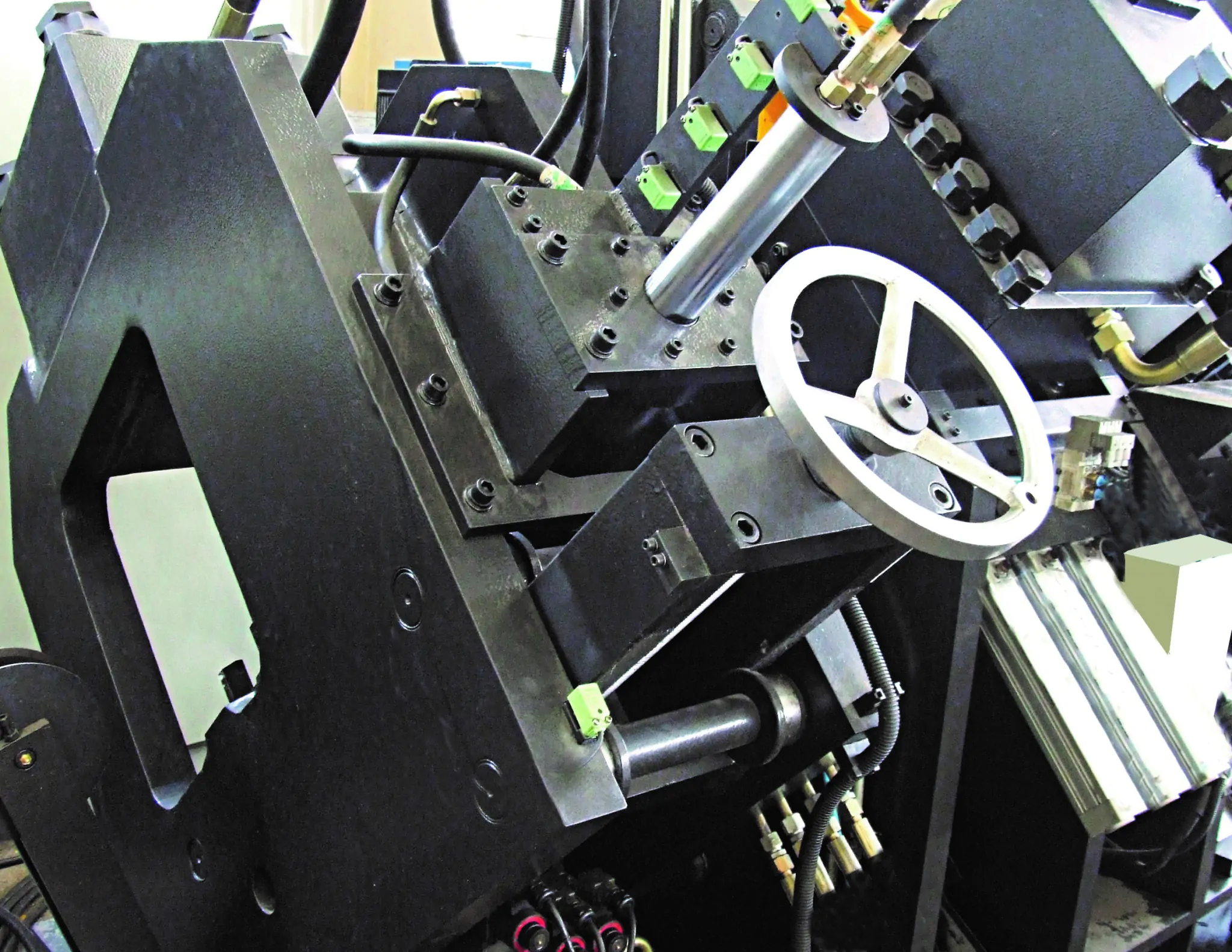
CNC angle lines combine repeatable stock feeding with supported punching, marking and cutting operations for structural angle components. The correct model depends on angle range, hole requirements, station configuration, cutting method and the way finished parts are sorted.
| Checklist area | Required review |
|---|---|
| Drawings | Provide common and difficult component examples. |
| Size matrix | List minimum, typical and maximum leg size and thickness. |
| Hole matrix | Include diameter, quantity, gauge, pitch and side requirements. |
| Mark and cut | Define identification, layout and finished-end requirements. |
| Handling | Show stock-loading method, finished-part length and sorting route. |
Before the Layout Is Approved
- Confirm the final ordered configuration and all option-dependent dimensions.
- Draw stock, work-in-process and finished-part zones at realistic lengths.
- Reserve maintenance, electrical, tooling, extraction and cleaning access.
- Identify forklift, crane, operator and visitor routes and remove conflicts.
- Define commissioning parts, acceptance checks, training ownership and support contacts.
Workflow and Integration Questions
- Minimum and maximum angle sizes.
- Material thickness and grade.
- Hole diameters and layouts.
- Marking and identification needs.
- Cutting method and finished length.
- Stock loading and part discharge.
- Production mix and software workflow.
These questions are useful because they connect the equipment decision to the full route. They also give Gator FabTech enough context to identify whether the visible product configuration is a fit or whether project-specific options must be reviewed.
How to Validate Fit Before Ordering
Begin with a controlled sample of parts that reflects the real production mix. For this topic, pay particular attention to drawings and size matrix. A maximum value by itself does not show how the equipment will handle common parts, difficult features, changeovers, short runs or exceptions.
- Review typical, maximum, minimum and exception drawings as separate groups.
- Mark every requirement as mandatory, optional or future so the quotation scope stays clear.
- Confirm material movement with realistic stock and finished-part lengths on the proposed layout.
- Identify the inspection points and the data that prove each operation was completed correctly.
- Document acceptance parts, training responsibilities, maintenance access and the process for future changes.
Do not build the decision around an assumed percentage improvement, a fixed cycle-time promise or an automatic return on investment. Compare the present workflow with the proposed route using information the shop can verify: handling steps, queue locations, repeated layouts, rework causes, staffing, floor-space constraints and the number of part families that can follow a controlled program.
Related Gator FabTech Equipment and Resources
- Review CNC angle lines for the current public product or category information.
- Review GAL CNC Angle Lines for the current public product or category information.
- Review Structural Steel machinery for the current public product or category information.
- Use the machinery catalog to review adjacent processes.
- Check equipment videos and catalogs for available product media.
- Review equipment financing or contact Gator FabTech with your application details.
Related Technical Guides
- CNC Angle Line Buyer’s Guide for Structural Steel
- How to Read a CNC Angle Line Capacity Table
- CNC Angle Line Material Handling and Part Flow
- CNC Angle Line Applications: Bracing, Clips and Trusses
Frequently Asked Questions
What information should be prepared first?
Prepare representative drawings, material and section data, required operations, production mix, current workflow, available floor space and the process that follows this equipment.
Can a published capacity table confirm every application?
No. Published values help screen equipment, but final fit should be confirmed against current drawings, material, tooling, process requirements, site conditions and the ordered configuration.
Why include material handling in the equipment decision?
Loading, transfer, buffering, unloading and part identity determine whether the machine supports a controlled production route or creates a new queue around the equipment.
Discuss Your Structural Steel Application
Send representative drawings, material sizes, required operations, production mix and available floor space through the Gator FabTech contact page. The final equipment configuration, capacity and integration scope should be confirmed during the quotation process.